“But Daddy, what if there are monsters?”
Our two oldest have been frequently asking this question. Almost always when encouraged to go on their own to another, usually unlit, room in the house to retrieve something of need.
It’s pretty fascinating how universal this fear of monsters is among kids. Certainly the result of a combination of learned behaviors and deeply embedded instincts. Instincts needed for our ancestors to survive in the wilderness. Much like a house cat’s reflex when it mistakes a cucumber for a snake out of the corner of its eye.
And it got me thinking about something in the Bible that I’ve struggled to understand and that also happens to be considered frightening at times… Angels.
Despite the sanitized depiction of them in renaissance artwork and Christian merchandise, they are described in an assortment of ways in the Bible, with some actually sounding fairly… well… frightening.
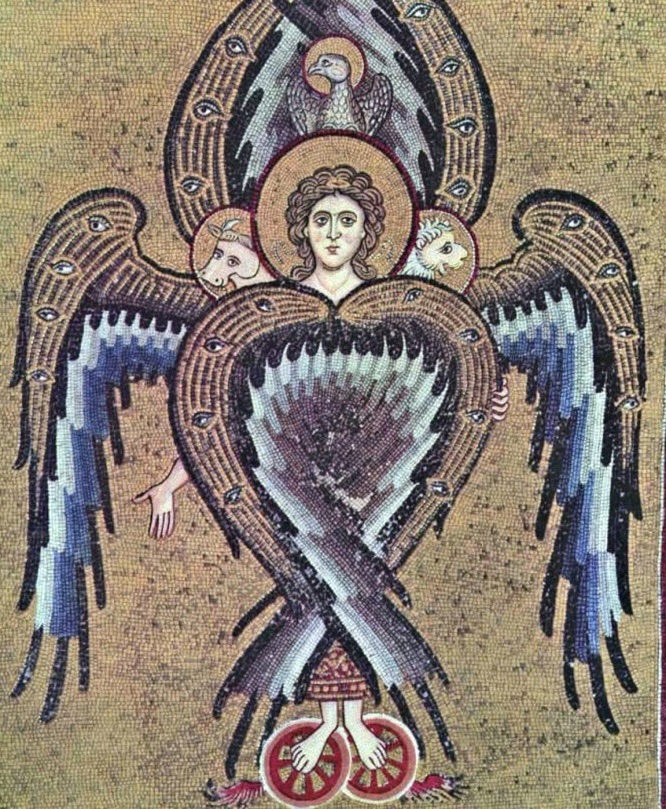
Yes, in Genesis Lot and Abraham are visited by angels that appeared just like humans. And the writer of Hebrews acknowledges Christians may unknowingly interact with them. But in other places we see them described as multi-winged creatures (Isaiah). Other descriptions are of some type of hybrid creature with the four faces of a human, eagle, lion and ox (Ezekiel). And others where it says they are covered in eyes (Revelation).
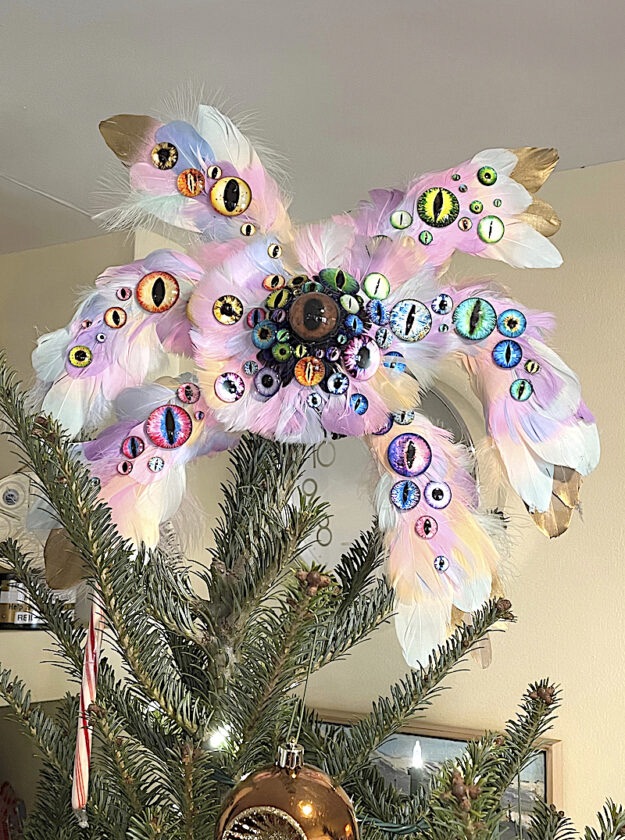
It reminds me of someone’s joke that they made a biblically accurate angel tree topper. This is nightmare fuel.
Throughout the Gospels, the accounts of people’s interactions with angels at both Jesus’ birth and his resurrection are consistently ones of fear and angels reassuring them to not be afraid.
It took me a while to realize how many passages describe angels far differently than the harmless porcelain cherubs that adorn many yards and curio cabinets. Once I did however, these passages started to make more sense.
And there may be no better time to explore this topic than the lead up to Easter, which features a story involving angels at the empty tomb.
WALL-E and the Spork
Roughly six years ago I wrote a post about WALL-E exemplifying a messianic figure in modern storytelling. The plot has many parallels with Jesus’ parable of the prodigal sons and similarly invites viewers to a different way of approaching life. To this day, that remains one of the most enjoyable posts to write.
Since then I’ve realized there’s far more gems that can be mined from this cinematic masterpiece. And one in particular that I think can help explain the role of angels.
There’s a short scene towards the beginning of the film that, up until recently, I wrote off as strictly comic relief. It’s the scene where he is sorting his treasures from the day and cannot figure out how to categorize the spork he found.
Unable to fit the spork neatly into either of his spoon and fork collections, WALL-E places it in the middle as a transition between the two. It is a simple scene. No words needed. It is a lighthearted way of depicting the consciousness that has miraculously developed in this trash-compacting robot.
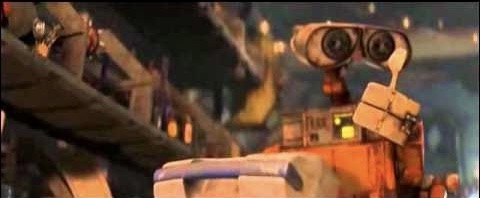
Intentional or not, I think this little scene is a great distillation of the movie’s plot.
Fittingly the spork and WALL-E’s placement of it in this transitional space, represents the place WALL-E occupies within the movie. Sporks are uncanny and unique. They share some features of both forks and spoons but do not fit cleanly into either category.
WALL-E is a type of hybrid himself. A robot capable of human emotions. A hardworking trash collector who gazes at the stars. And as such he mediates the gap between humans and robots.
Just as WALL‑E recognizes the spork cannot belong exclusively in one category, Scripture often presents beings that occupy the space between worlds. The spork scene playfully mirrors the same tension that angels embody — creatures that bridge heaven and earth, matter and spirit, fear and reassurance.
Hybrids, Monsters and Mediators
Hybrids and monsters often play similar roles in stories. Fluffy, the large three-headed dog in Harry Potter, guards the door to the Sorcerer’s Stone. Alioth, the chaos monster from the TV show Loki, guards the End of Time from all other timelines. The Sphinx in Egyptian and Greek mythology guards locations of divinity. Even dragons (traditionally understood as mixtures of serpents, birds and cats), like Smaug from The Hobbit or Maleficent from Sleeping Beauty guard treasure, castles or princesses.
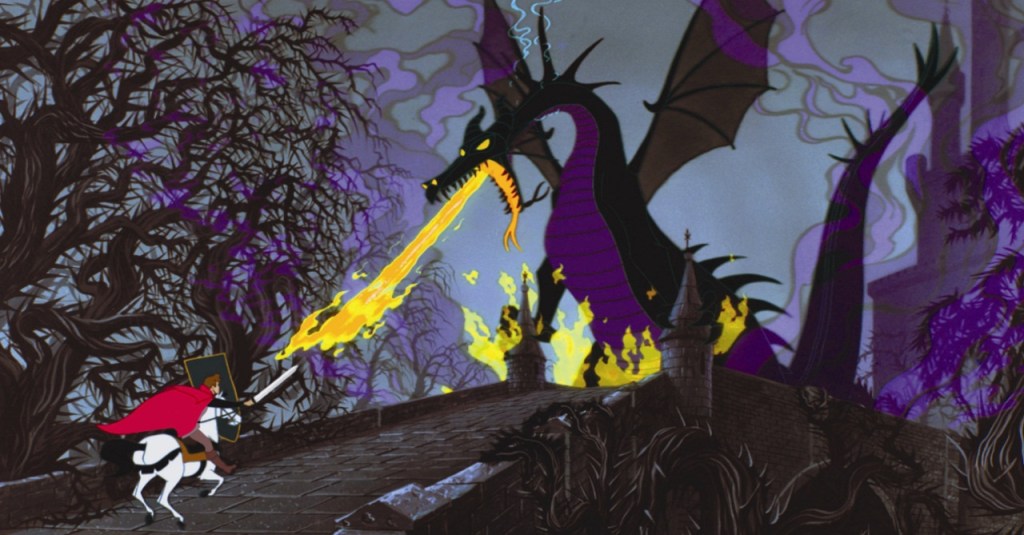
These creatures are often found in these transitional, or “liminal” areas.
Monsters like Alioth, Smaug and Maleficent serve as agents of chaos and destruction. Others like Fluffy and the Sphinx are more domesticated, serving as guardians. Gargoyles actually line the exterior of some churches to represent spiritual guardianship. And yet others can serve as helpful mediators and ambassadors.
The common thread for all of these however is twofold. They occupy these liminal spaces between where the protagonist in a story stands now and what’s next, for better or worse. And their features seem to defy all the categories we have from normal everyday life.
It’s this exact paradigm that causes children to fear monsters in dark rooms. What does happen next? “What if there are monsters?”
Angels as Mediators
After the fall in Genesis 3, cherubim are assigned the role of guarding the garden. The cherubim and seraphim were located within the temple in the Holy of Holies delineating the space where only God’s presence is located from the outer parts of the Temple. Angels move back and forth between heaven and earth by the ladder in Jacob’s dream.
And maybe most surprisingly is how often they met people in the wilderness, at their low points, when God would use these interactions to mold them for what comes after the wilderness. Jacob, Moses, Elijah, and yes, even Jesus too during his temptation in the wilderness were all ministered to by angels.
Angels are consistently used by God as messengers and ambassadors to encourage and support many who are lost in the wilderness of life.
So what do we make of this?
Union, Not Just Mediation
The Bible’s more apocalyptic books like Ezekiel and Revelation typically use exaggerated symbology to point to theological truths through visions as opposed to literally describing how things appear. The imagery functions similarly to the spork scene in WALL-E. As such, I tend to think the descriptions of angels with a mixture of faces and covered in eyes point more to their role and function as God’s agents in our world.
Throughout the Bible, angels are often encountered at the sacred thresholds of life. In those valleys and challenging seasons of life which present the “wilderness” situations where God has molded many in the past and can also mold us. Angels can help mediate heaven and earth for us in those seasons, even if we are unaware of their presence.
But this pattern also points us to Jesus. Fully man yet fully God. A seemingly impossible combination. One that we Christians can spend a lifetime struggling to grasp. And I think that’s okay.
And as we prepare for Easter, we can be reminded, as the author of Hebrews points out, that Jesus was even greater than the angels. Where the angels help mediate heaven and earth, through Jesus’ incarnation, life, death and resurrection he will consummate the union of heaven and earth. For just as WALL-E’s sacrifice of himself yielded the restoration of earth in the movie, Jesus’s sacrifice on the cross provides the bridge between heaven and earth.
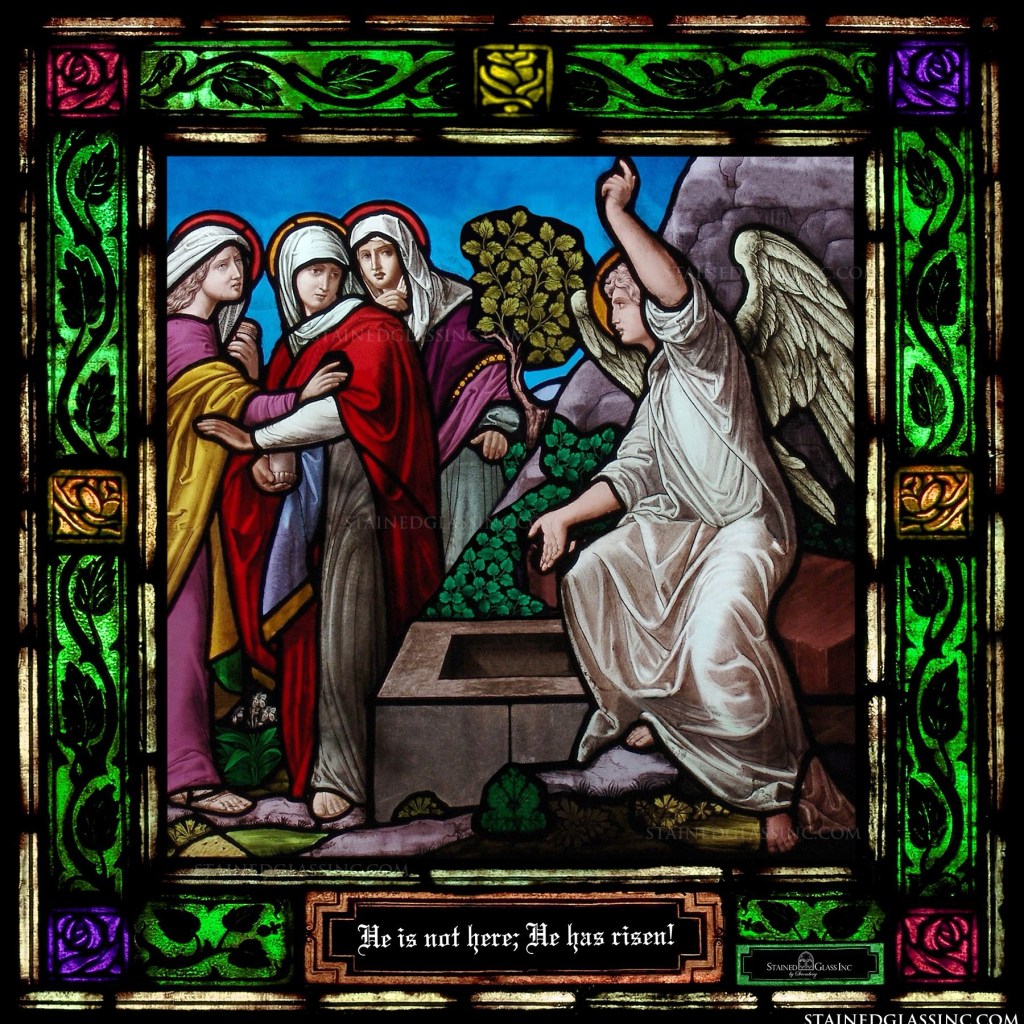
And so when we, kids and adults alike, get scared of the unknown, whether it be potential monsters, the hopelessness of a difficult season, or maybe even interaction with an angel, I think it’s a helpful reminder that God can be found in those places too.
And that by walking through sacred thresholds where heaven and earth meet, with the aid of angels and his Son, he often shapes us for what comes next, in both this age and the one to come.


 Upon Reflection